
Batteries don’t usually fail all of a sudden. They wear out slowly, often without warning, until one day the engine won’t start.
Every fleet has dealt with the unexpected non-starter on a tight schedule. But what if you could predict battery lifespan more accurately, get replacements lined up in advance and significantly cut downtime?
How long a battery lasts depends on more than just age. It’s also about how the vehicle is used, where it’s driven and how well you look after the battery. In this guide, we look beyond the calendar to examine what really makes a difference to battery service life.
Typical lifespan by vehicle type
First up, it depends on the vehicles in your fleet. The batteries in well-used passenger cars should last for between three and five years, no questions asked. Light commercial vehicles wear through batteries faster, perhaps around three years. HGVs can vary a lot but may push four to six years. That depends heavily on maintenance, charging cycles and exposure to vibration on the road.
The batteries used in stop-start systems often have a shorter lifespan unless the correct technology is used. (AGM). They’re designed to handle frequent restarts, but they still degrade with every cycle. (We’ll discuss battery types in a bit more detail later on).
Temperature effects on how long a battery lasts
Batteries are even pickier about the temperature than we are. Here’s why.
Heat accelerates chemical reactions inside the battery. This speeds up internal corrosion, water loss in flooded cells and general capacity fade. So, if your vehicle operates with a high ambient temperature in the engine bay, the battery will deteriorate faster, even if the voltage readings seem normal.
Cold weather – something the UK is more than familiar with – causes different problems. Low temperatures slow the chemical reaction, which reduces available capacity and increases internal resistance. For example, at -18 °C, a lead-acid battery loses up to 50% of its state of charge (SoC). This raises the current demand during cranking, putting stress on ageing batteries. Repeated exposure to freezing temperatures can also damage the plates, thereby increasing the risk of failure.
Driving patterns and usage behaviour
Short, low-speed journeys prevent the vehicle from completing full charge cycles. Modern alternators often run at variable outputs, so batteries in stop-start or on delivery routes rarely reach full charge. Sulphation builds up. Capacity drops. Without maintenance, it’s a steady decline on the path to sudden failure.
Longer motorway driving gives batteries the chance to reach full state of charge. Sometimes, this helps reverse mild sulphation and stabilise chemical balance. That’s one reason vehicles used for long-haul work (like HGVs or coaches) usually get far more life from the same battery type. However, this doesn’t give you a free pass on maintenance.
How maintenance extends service life
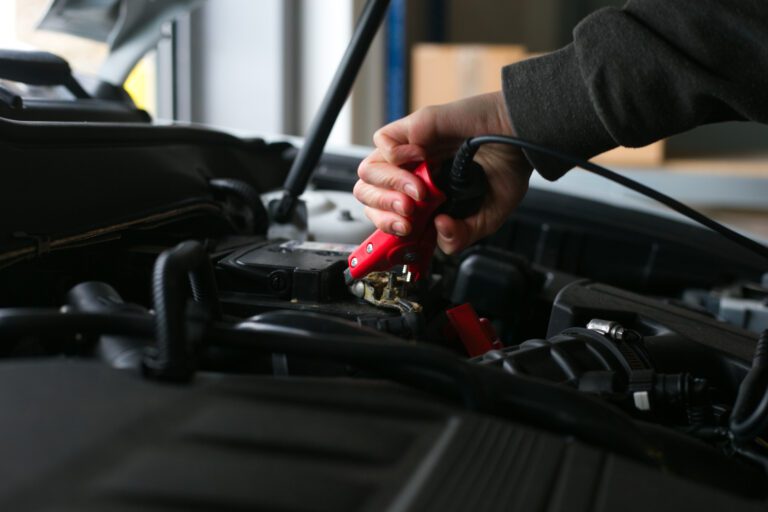
Your technicians should track battery performance over time with well-selected workshop tools, such as conductance testers, impedance analysers and digital battery management systems like ROBIS. Your technicians can watch out for early signs of internal deterioration, such as increased internal resistance, with regular testing. That data will help you make smart decisions about when to recharge, when to recondition and when to replace.
You should also have a regular maintenance schedule for your batteries. This should include battery inspection, terminal cleaning and voltage checks, as well as conductance testing. Sticking to this schedule will help prevent issues from loose wires or parasitic drains, and give you a useful record of battery health.
Different batteries last longer
Standard flooded lead-acid batteries are the most common. They’re cost-effective but less tolerant of deep discharges or repeated cycling, so they won’t last as long. They’re not suitable for fleet vehicles with frequent stop-start operation.
EFBs are designed for start-stop use and offer improved cycle durability. They include thicker plates and carbon additives to improve charge acceptance.
AGM batteries go one step further again. They use glass mat separators to absorb electrolyte and handle deep cycling better. They resist vibration, support higher loads and have slower self-discharge. As a fleet, especially if you’re running telematics, auxiliary systems or idle-reduction technologies, AGM batteries are probably the way to go.
Regardless of the battery type you use, back it up with an appropriate charging system.
Recognising end-of-life signs
Most of the time, batteries exhibit signs of decline well before they fail. It could manifest itself in all sorts of ways, as you’re well aware. The most common symptoms include slow cranking, dim headlights, warning lights and unstable voltage readings under load. As soon as a technician or a driver notices any of these, it’s time to run some further tests.
Take everything your drivers report into account, being sure that their feedback reaches your technicians and shop managers. However, testing results are even more reliable. Any of the following are signs of degradation in the battery:
- Poor results from conductance or impedance testing
- Voltage drop under load
- Poor recharge retention
- Inconsistent CCA (cold cranking amps) values
Proactive vs reactive replacement
Waiting until a battery fails might seem cost-efficient. But unplanned breakdowns trigger recovery costs, missed appointments and reputational damage. Reactive replacement leads to pressure-based purchasing, often without time to select the correct spec. And that can cause even more problems in the future.
Proactive replacement, on the other hand, builds cost into scheduled maintenance. It’s informed by data. It reduces breakdowns. For larger fleets, it can be planned to align with vehicle service windows or part lifecycle milestones. It’s more cost-effective and time-effective and means your team doesn’t have to run around like headless chickens to get the vehicle back on the road.
At Rotronics, we help fleets move away from guesswork and towards condition-led battery care. Our tools, training and online systems like ROBIS support decision-making based on real data instead of assumptions.
Learn more about how we could help you with your battery management by getting in touch with our friendly team. We look forward to hearing from you. And in the meantime, don’t hesitate to browse our tried and tested range of battery testers and chargers.
Until next time – keep your fleet charged and moving.

