
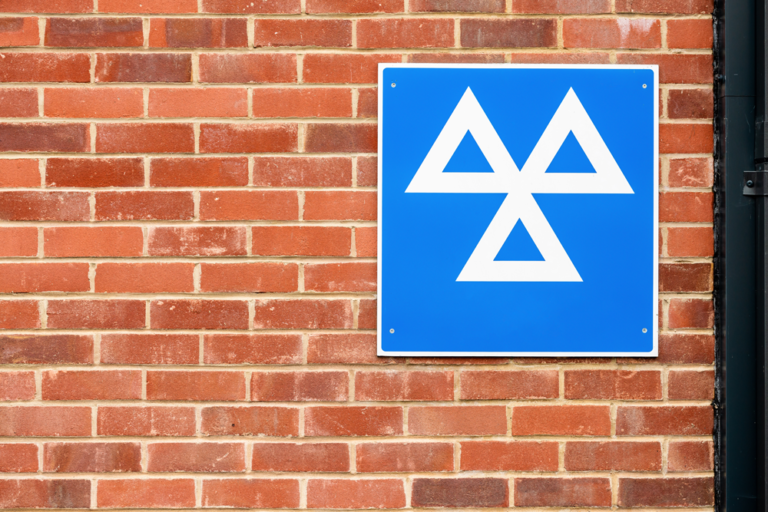
A battery check in a statutory MOT focuses on whether it’s secure, whether it could cause a short circuit, and whether it’s leaking. You aren’t required to test whether it still has adequate cranking performance, maintains voltage under load or supports the vehicle’s increasingly complex electrical systems.
As a result, you can legally pass a vehicle with a battery that is secure and not leaking, even when its performance has significantly deteriorated.
Given how frequently battery faults cause breakdowns, there’s a strong argument that proper battery testing should form part of the MOT process or, at the very least, the wider MOT appointment.
Why should battery condition matter to your MOT centre?
You don’t need to test a battery during an MOT. To many motorists, a weak battery may not seem like a serious safety defect, but the consequences of failure can extend beyond inconvenience.
If a vehicle becomes immobilised beside a busy road or in another exposed position, the breakdown can place the driver and passengers at risk while they wait for help. And for your fleet and commercial vehicle customers, one battery failure can also lead to missed jobs, recovery charges, vehicle-off-road time, replacement vehicle costs and disruption to the wider operation.
No battery test can guarantee that the battery won’t fail later. However, a proper test can identify deterioration, poor charging performance or another developing problem before it results in an avoidable breakdown. That gives you an opportunity to provide useful preventative advice rather than simply dealing with the vehicle after it has failed.
Why is the MOT appointment the right time to test?
Although many workshops check the battery during servicing, the MOT appointment is a natural opportunity to assess battery condition. That’s because it happens every year. The vehicle is already coming into your workshop for its annual appointment, and you have the customer and vehicle details available. Adding a structured battery check should cause relatively little disruption when it’s built into your normal process.
Depending on the equipment you use, you can assess the battery’s condition and starting performance, monitor voltage during cranking and check charging-system output.
A poor result doesn’t necessarily mean the battery needs replacing. The battery may simply be discharged and otherwise perfectly healthy. There could also be an underlying fault related to repeated short journeys, insufficient charging, loose or corroded connections, an alternator fault, excessive electrical demand or a parasitic drain.
You can then explain the result to the customer and recommend any appropriate work. If they agree, that may involve charging and retesting the battery, carrying out further diagnosis, repairing a connection or replacing the battery when the evidence supports it.
Should a weak battery cause an MOT failure?
Right now, battery performance isn’t tested during the MOT. However, there’s a good argument that it should be. Reliable battery performance is, after all, fundamental to starting the vehicle and supporting its electrical systems.
Before testing could become part of the statutory result, the DVSA would need to define appropriate procedures, acceptable equipment, performance thresholds and defect categories. MOT testers would also need suitable training to ensure that results were consistent between test centres.
So, for now, offer the check separately from the statutory MOT. Conduct a battery and charging-system test alongside the MOT appointment. ROBIS has a feature called the ‘Battery Diagnostic Report’. It will take testing data and format it into an easy understand, traffic light battery report. It’s perfect for explaining battery health to customers.
Importantly, you must avoid presenting this to the customer as if it were part of the statutory MOT. Your customers should understand that this is an extra service you’re providing to help reduce their risk of an avoidable breakdown.
Which tester is right for your MOT centre?
Rotronics offers several options for adding battery and system testing to your MOT process:
- Midtronics CPX-900 ROBIS – a strong all-round choice for battery, starting and charging-system testing, with clear documented results.
- Midtronics MVT-200 – a fast option for high-volume 12-volt battery screening when you need a quick initial assessment.
- Midtronics DCA-8000P – combines battery diagnosis with controlled charging, making it useful when a discharged battery needs charging and retesting.
How can testing create additional workshop revenue?
Battery testing can create valuable revenue opportunities for your MOT centre, provided your recommendations are transparent, honest and supported by evidence. A test may lead to legitimate additional work, including:
- Battery charging and retesting
- Battery replacement
- Alternator and charging-system testing
- Terminal and connection repairs
- Parasitic-drain investigation
- Starting-system diagnosis
- 24-volt battery-pair testing
Battery testing should form part of your MOT process
It’s a win-win. Your customers see reduced risk of avoidable breakdowns and get clear information about the condition of their vehicle. Your MOT centre can create additional diagnostic and maintenance opportunities, strengthen customer trust and move from reactive repairs towards preventative battery management.
Rotronics supplies professional battery testing, charging, diagnostic and data management equipment for MOT centres, workshops, fleets and commercial vehicle operators. Our solutions can help you standardise your testing process, document results, investigate underlying faults and make reliable recommendations based on accurate vehicle data.
Contact Rotronics to discuss how you can make battery testing a practical and profitable part of your MOT process.

